Wayfinding and Signage System
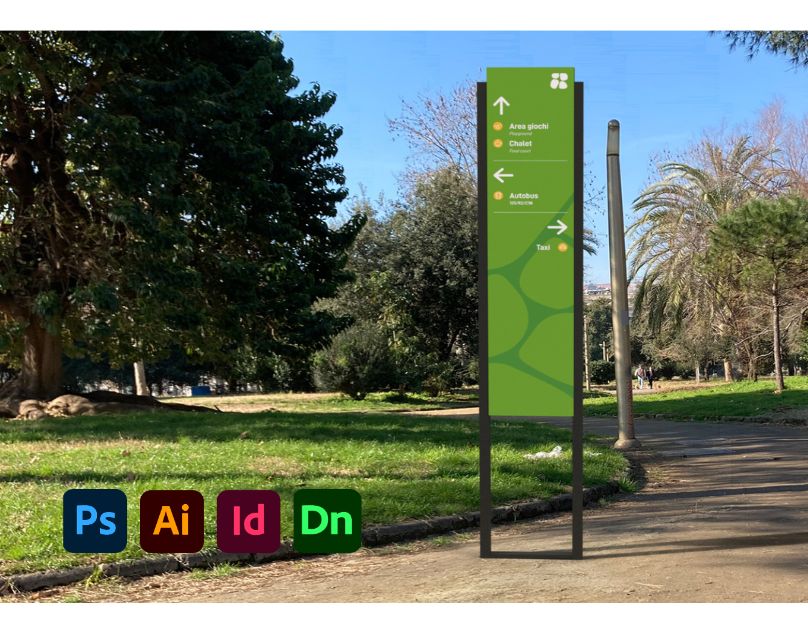
This project involved designing a complete orientation and signage system for Villa Comunale di Napoli, aimed at improving visitor navigation and spatial awareness.
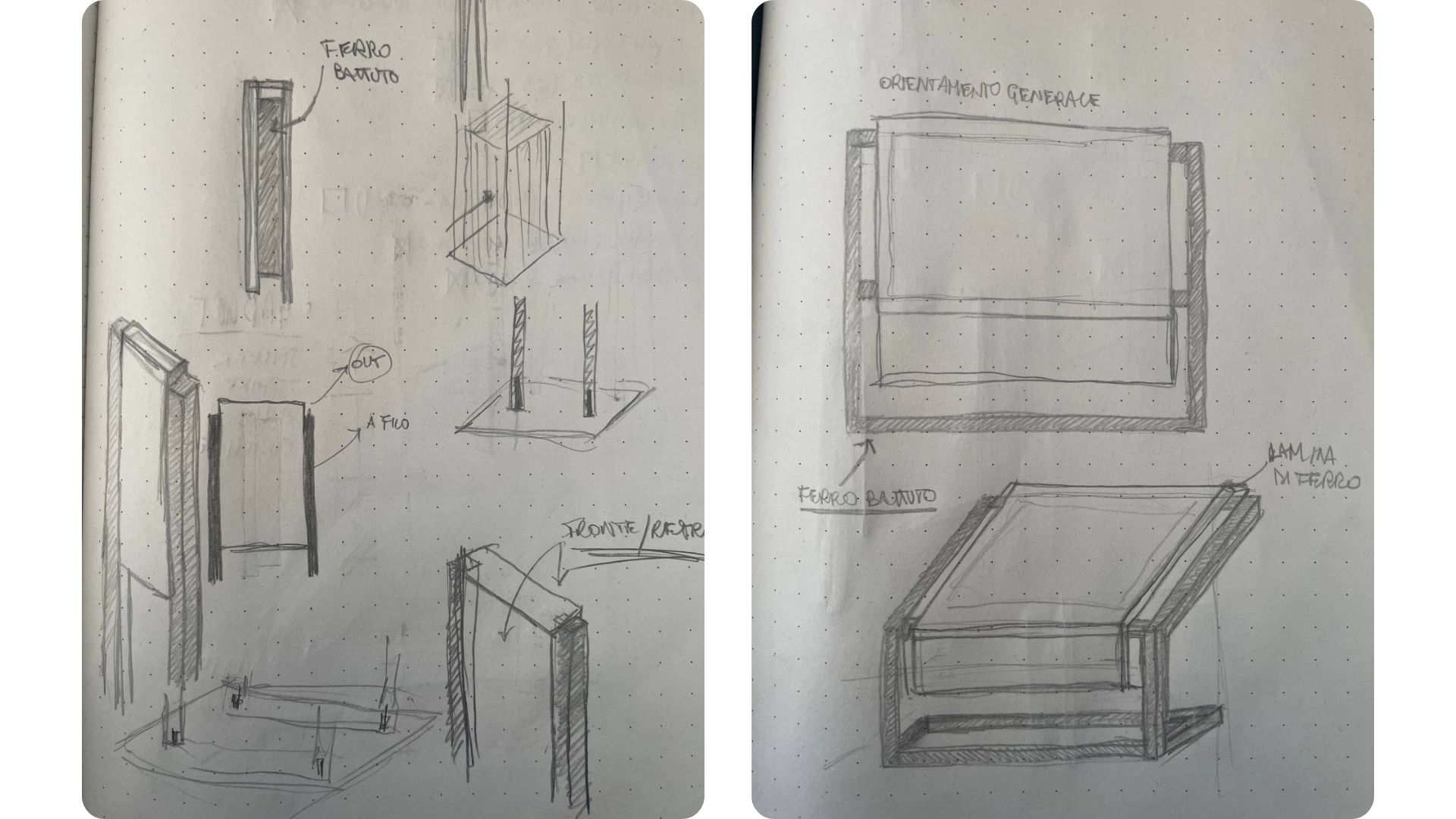
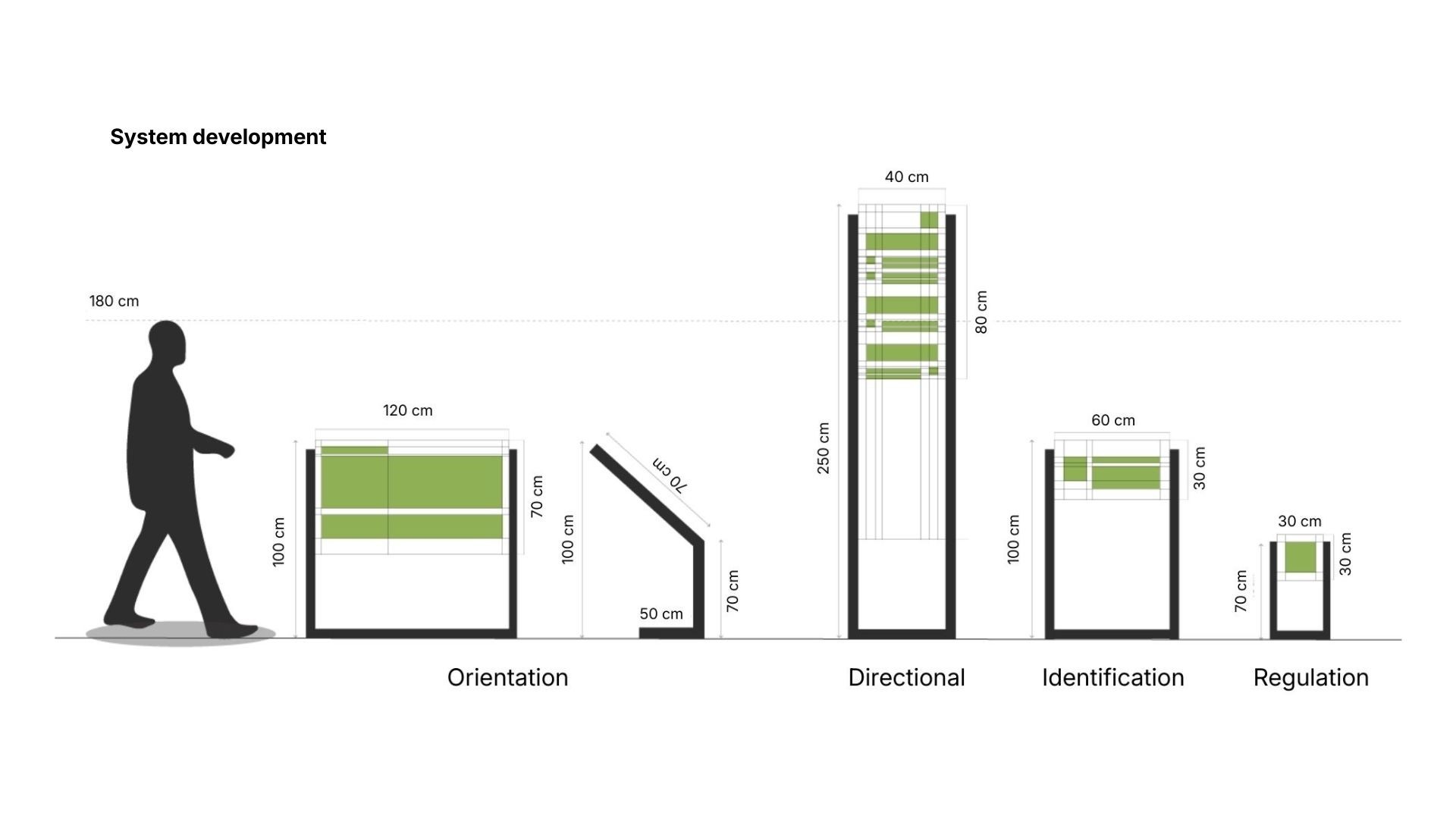
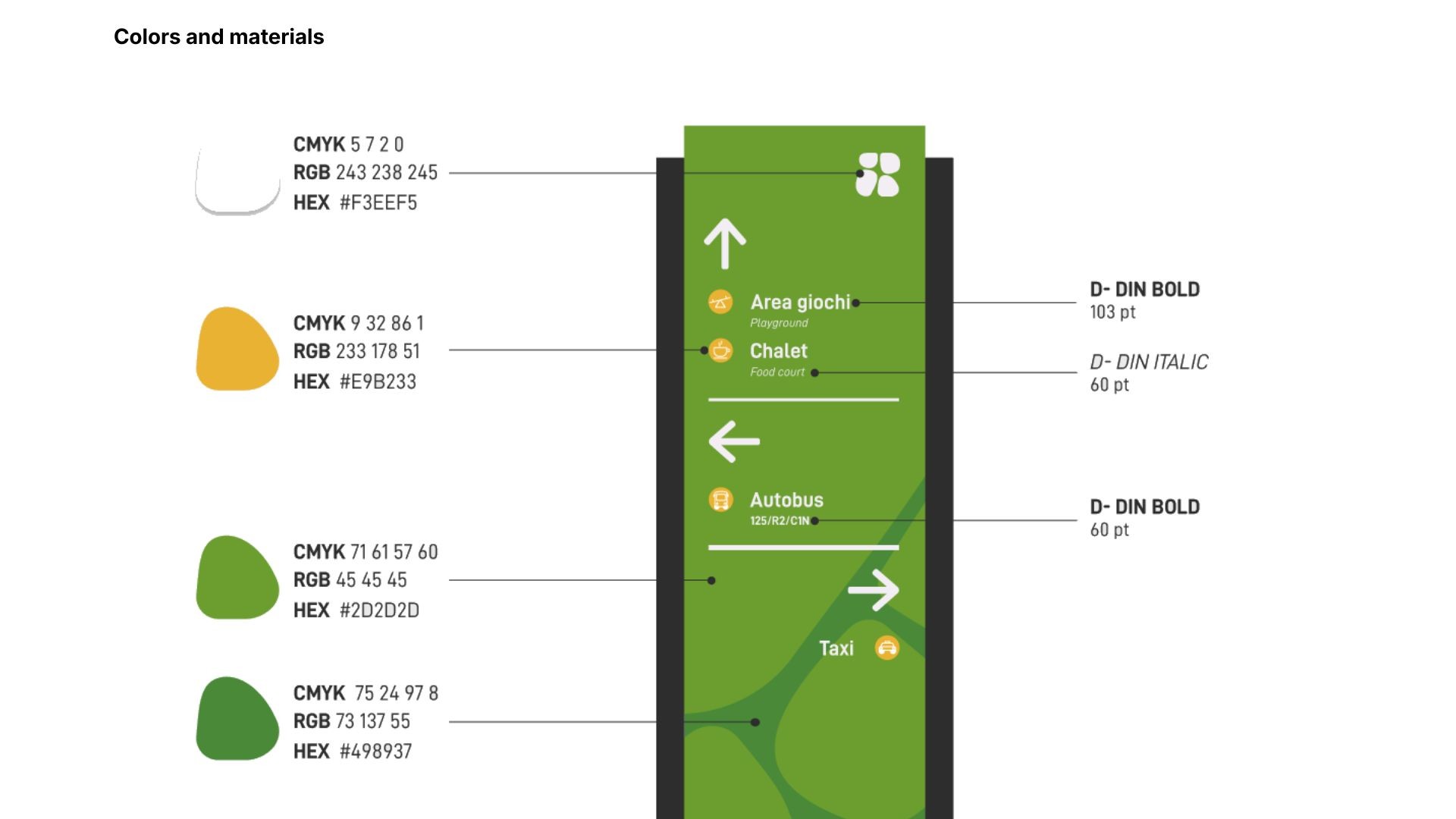
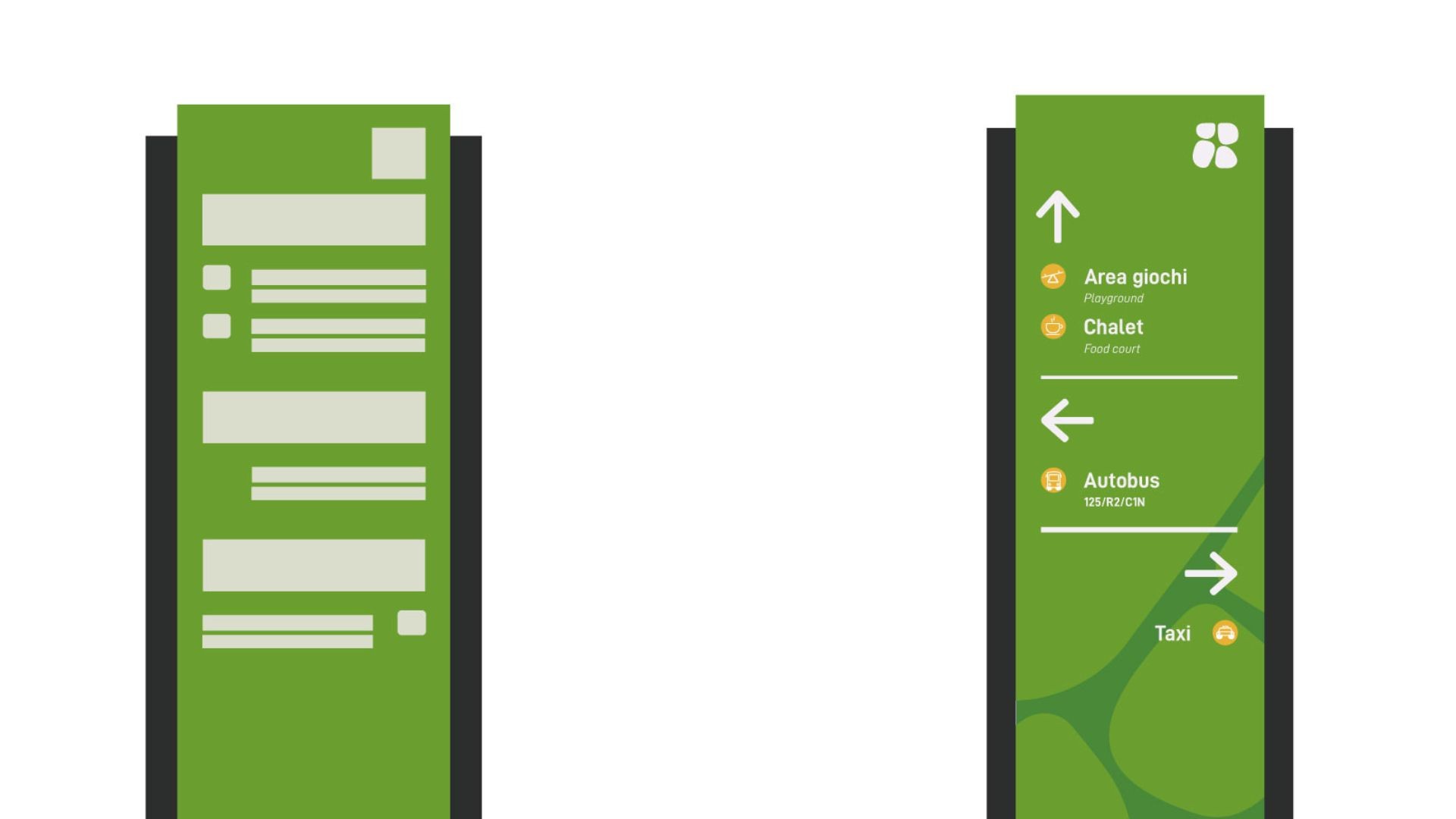
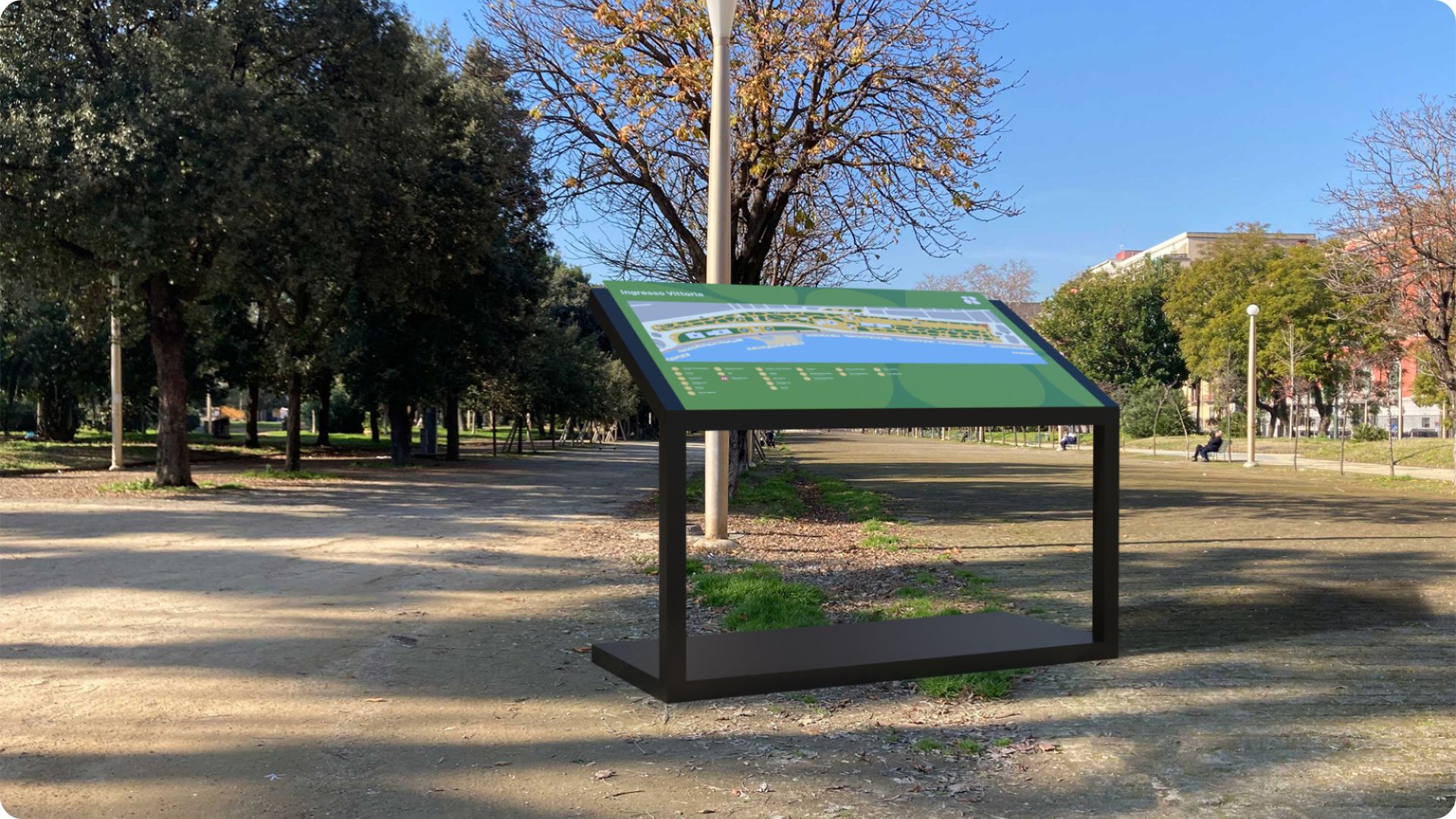
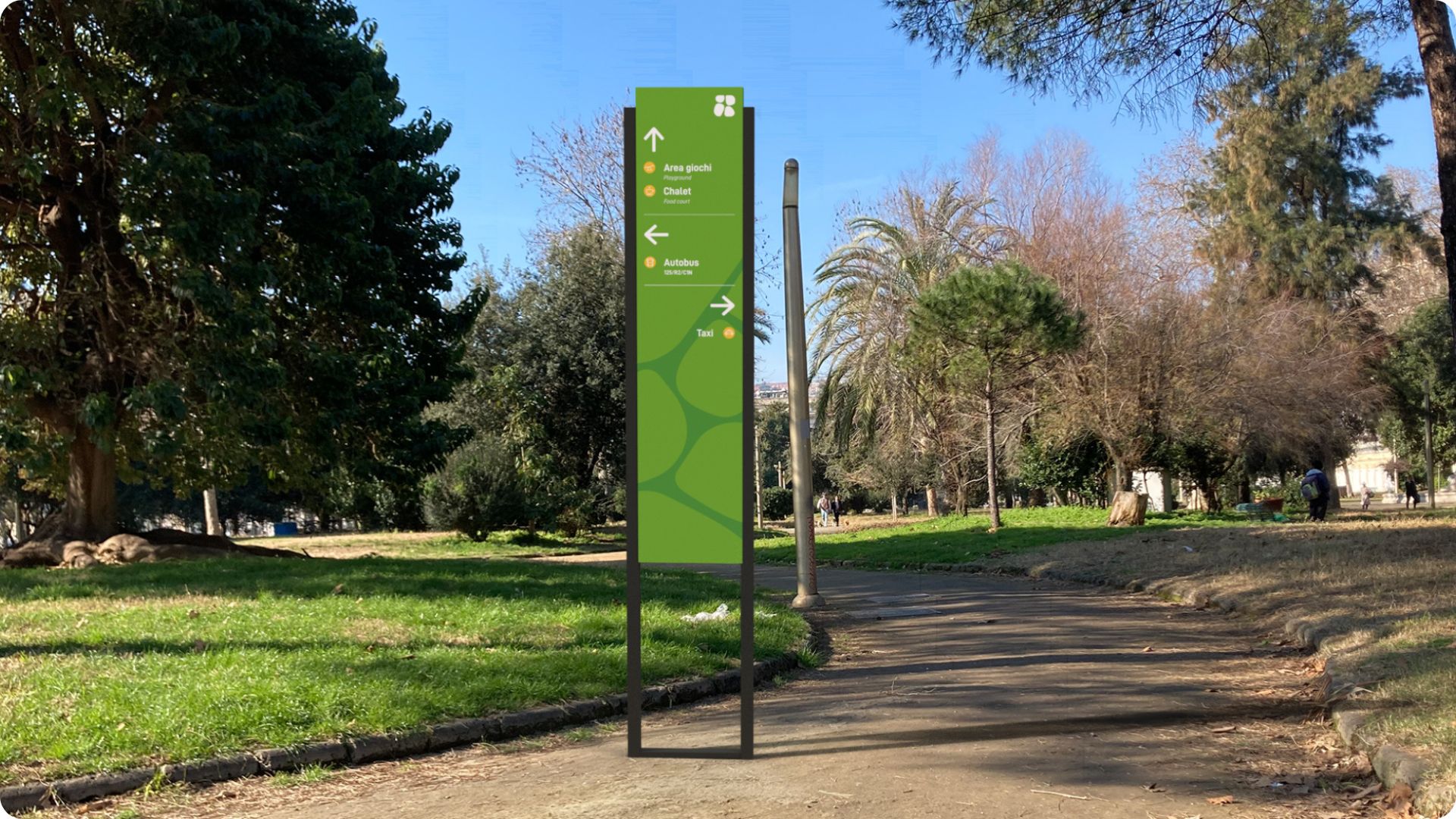
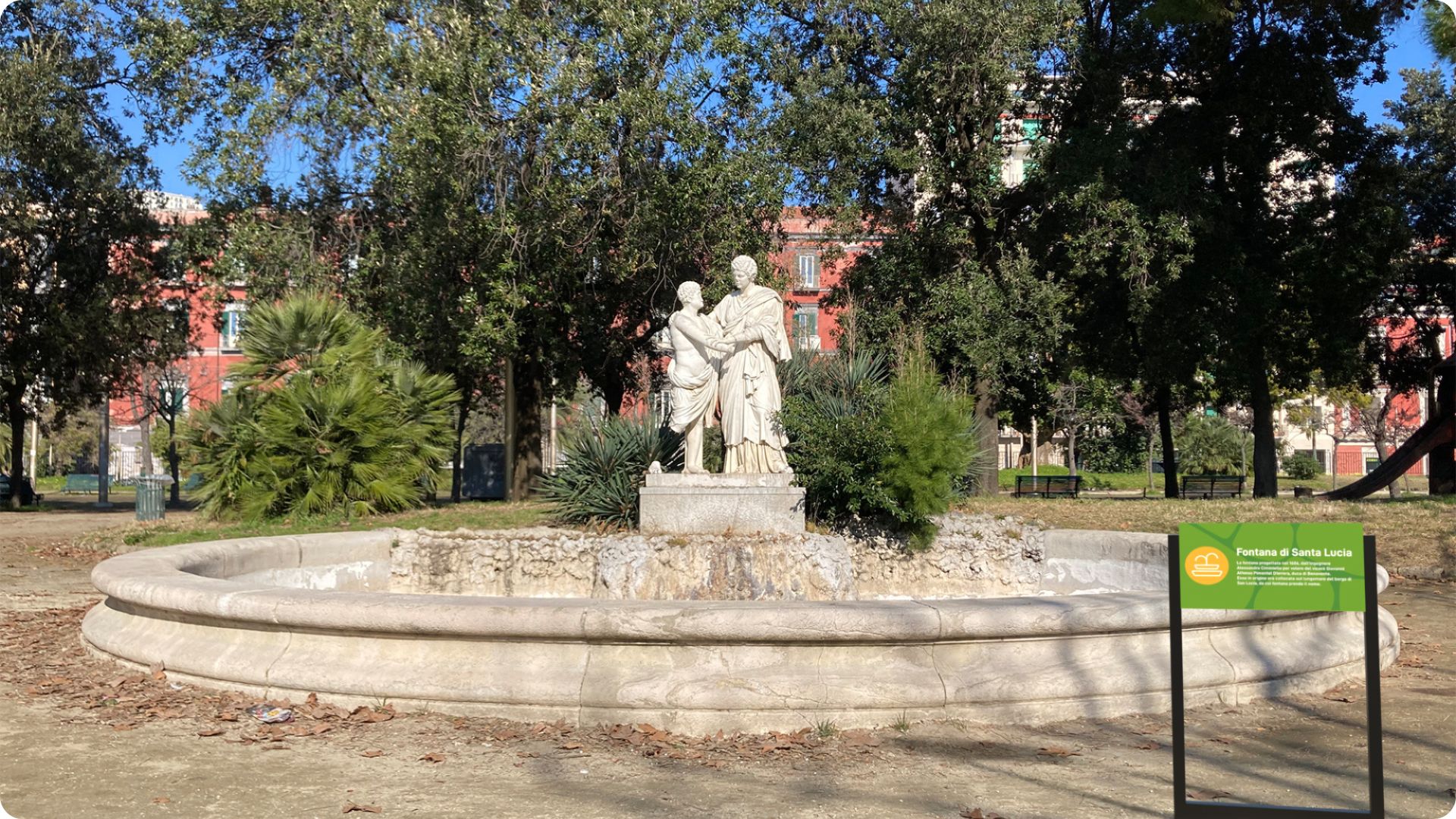
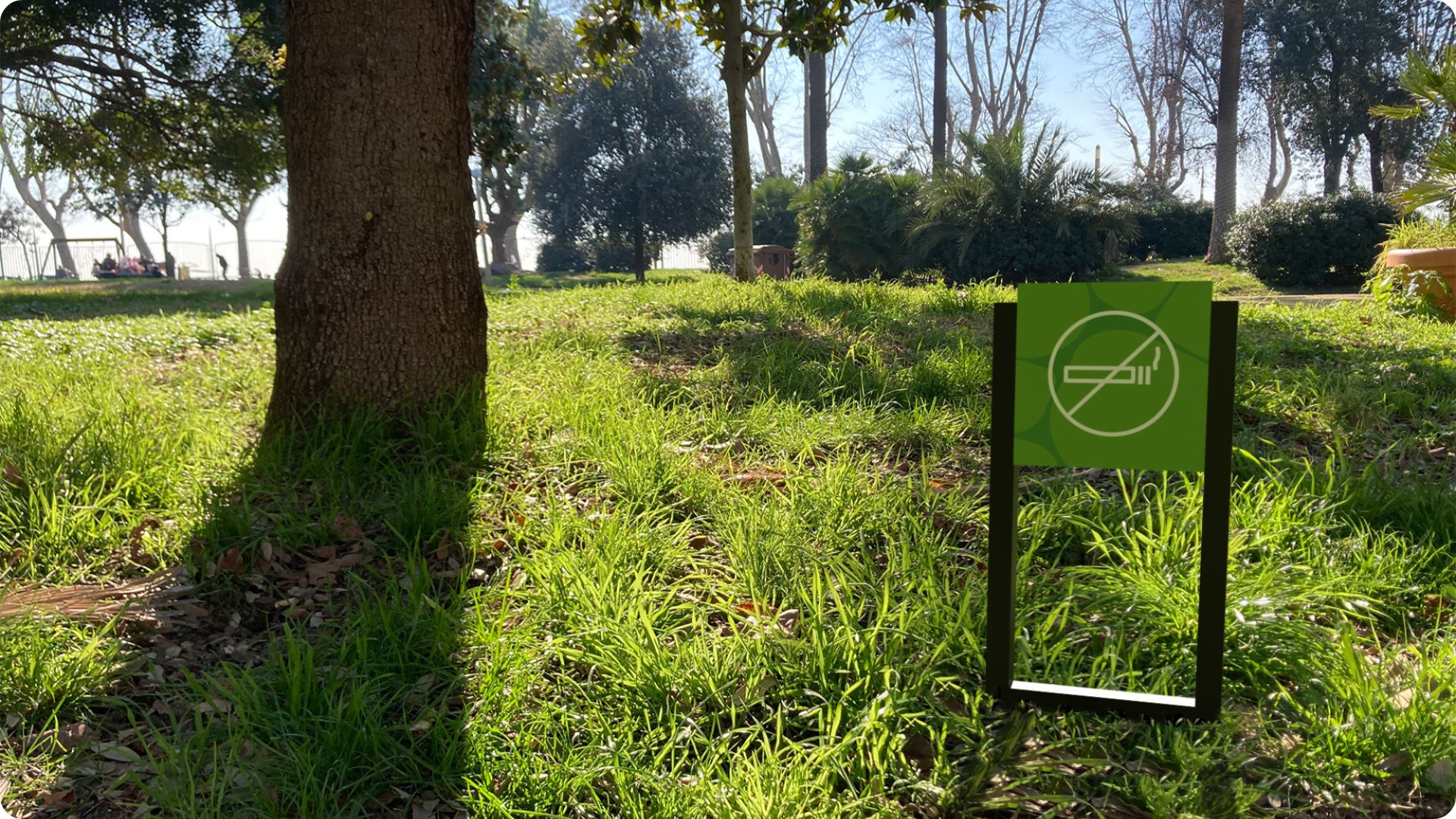
Through on-site research and behavioral mapping, key decision-making points and confusion zones were identified. The design system incorporated accessible pictograms, durable materials, and technical drawings prepared for real-world implementation.
The result is a functional and scalable public design system aligned with environmental and architectural constraints.
100%
90%
100%
Challenge
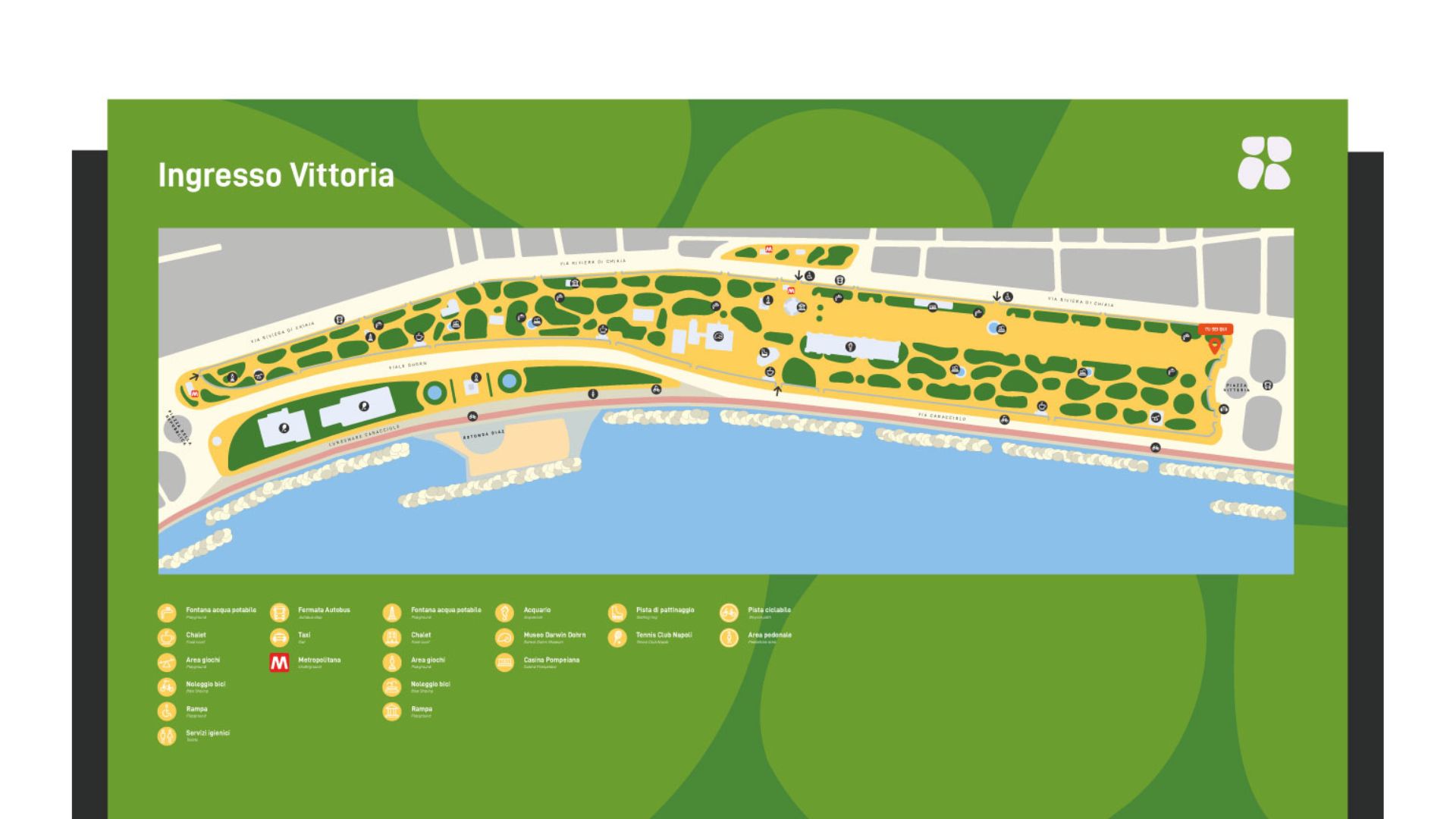
I designed a comprehensive signage system to facilitate visitor orientation within the Villa.
Research
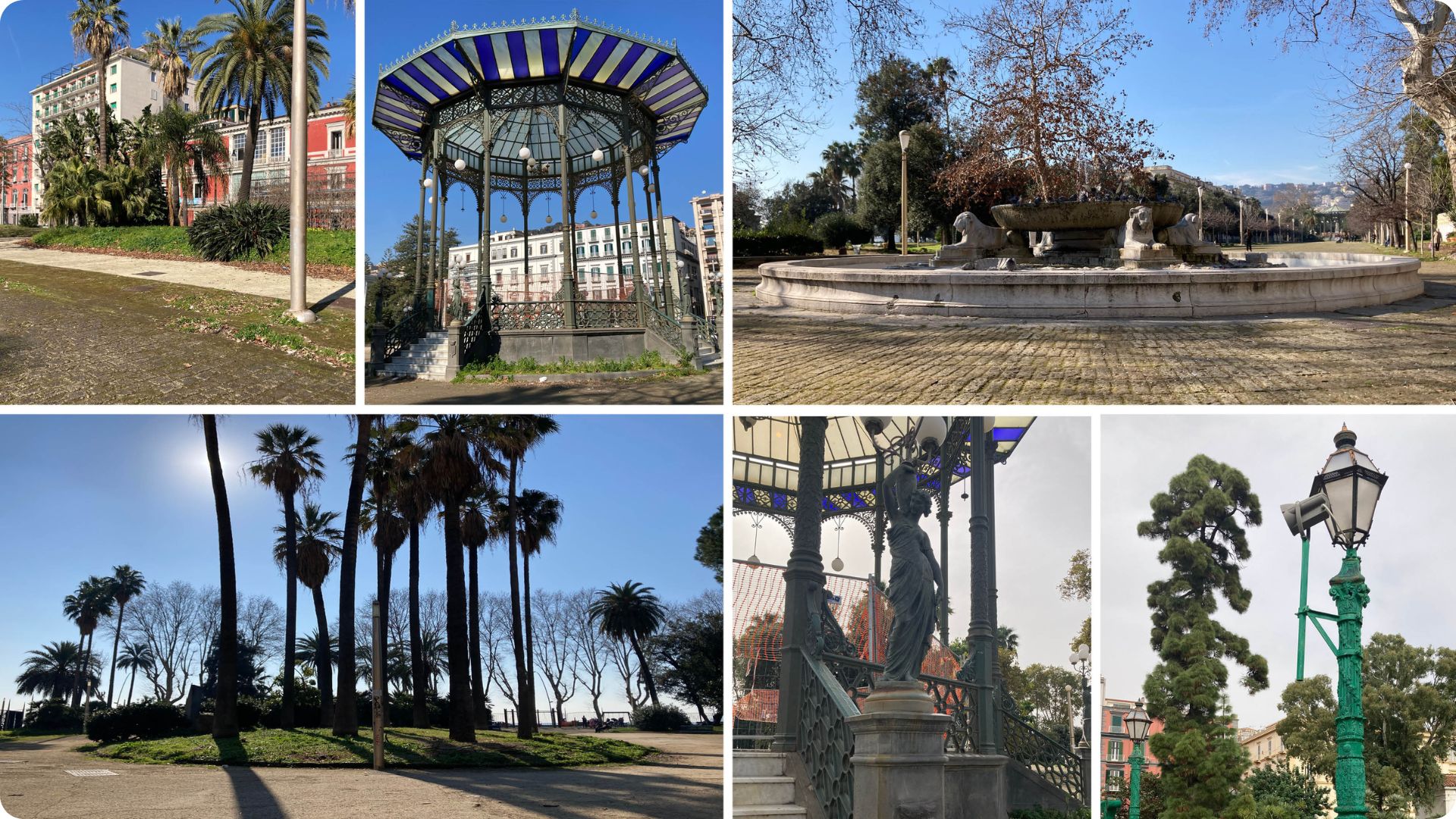
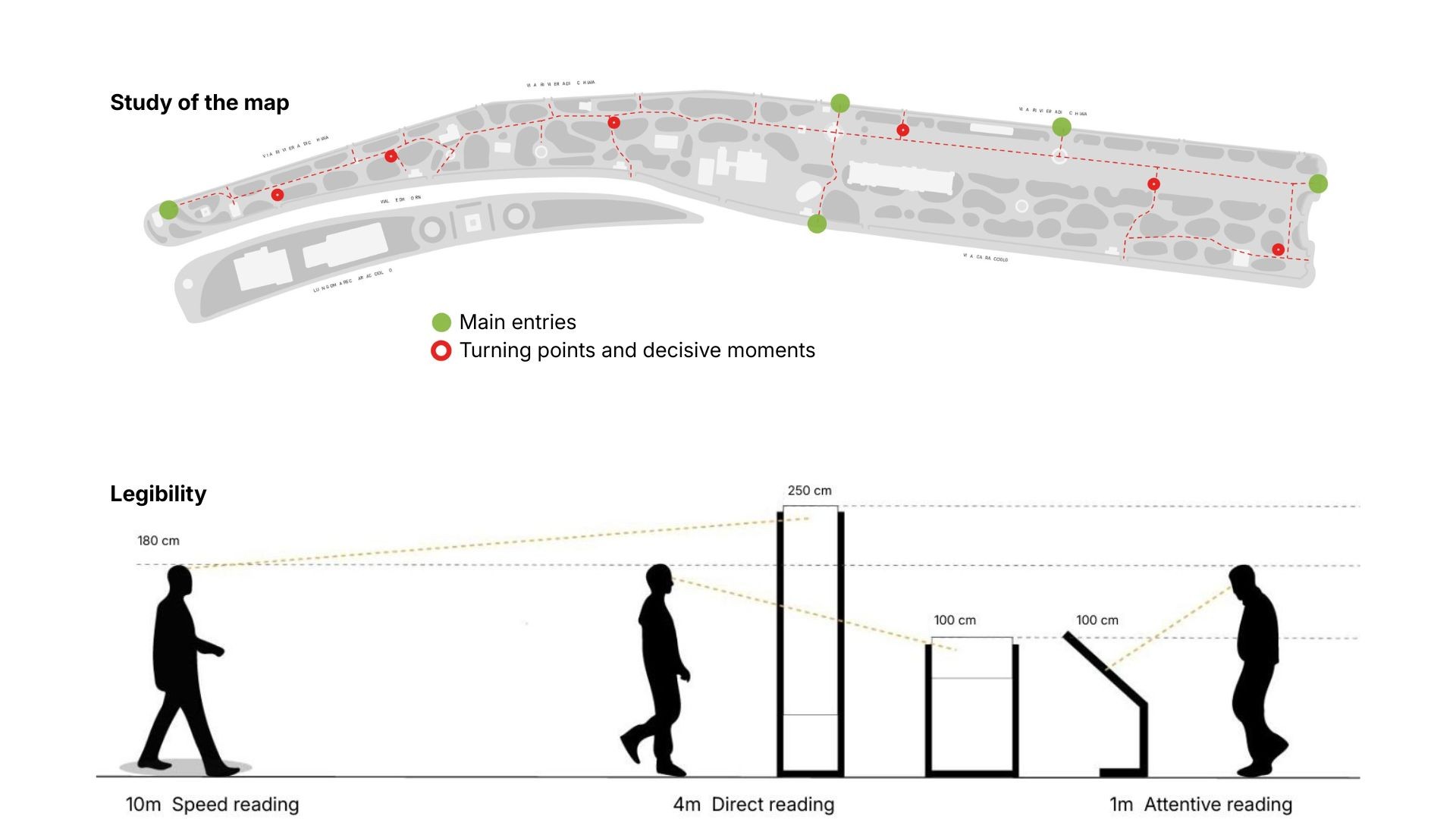
I conducted field research mapping access points and decision points where visitors tend to get lost.

What I Learned
Physical environments demand a different type of UX thinking — decisions are made in motion, under time pressure, and without digital affordances.
Field research revealed that confusion often happens at transitional moments rather than main entrances. Designing for “decision nodes” dramatically improves orientation systems.
Accessibility and clarity are more important than stylistic expression in public design systems. Functionality must always lead visual language.
Closing Statement
Designing for physical environments expanded my systems thinking, proving that effective UX principles apply beyond digital interfaces and into real-world spatial interactions.